Daily Dish

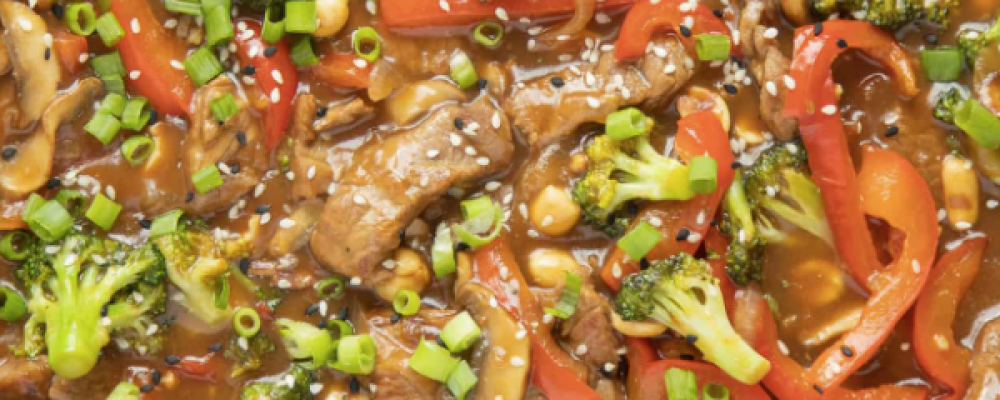
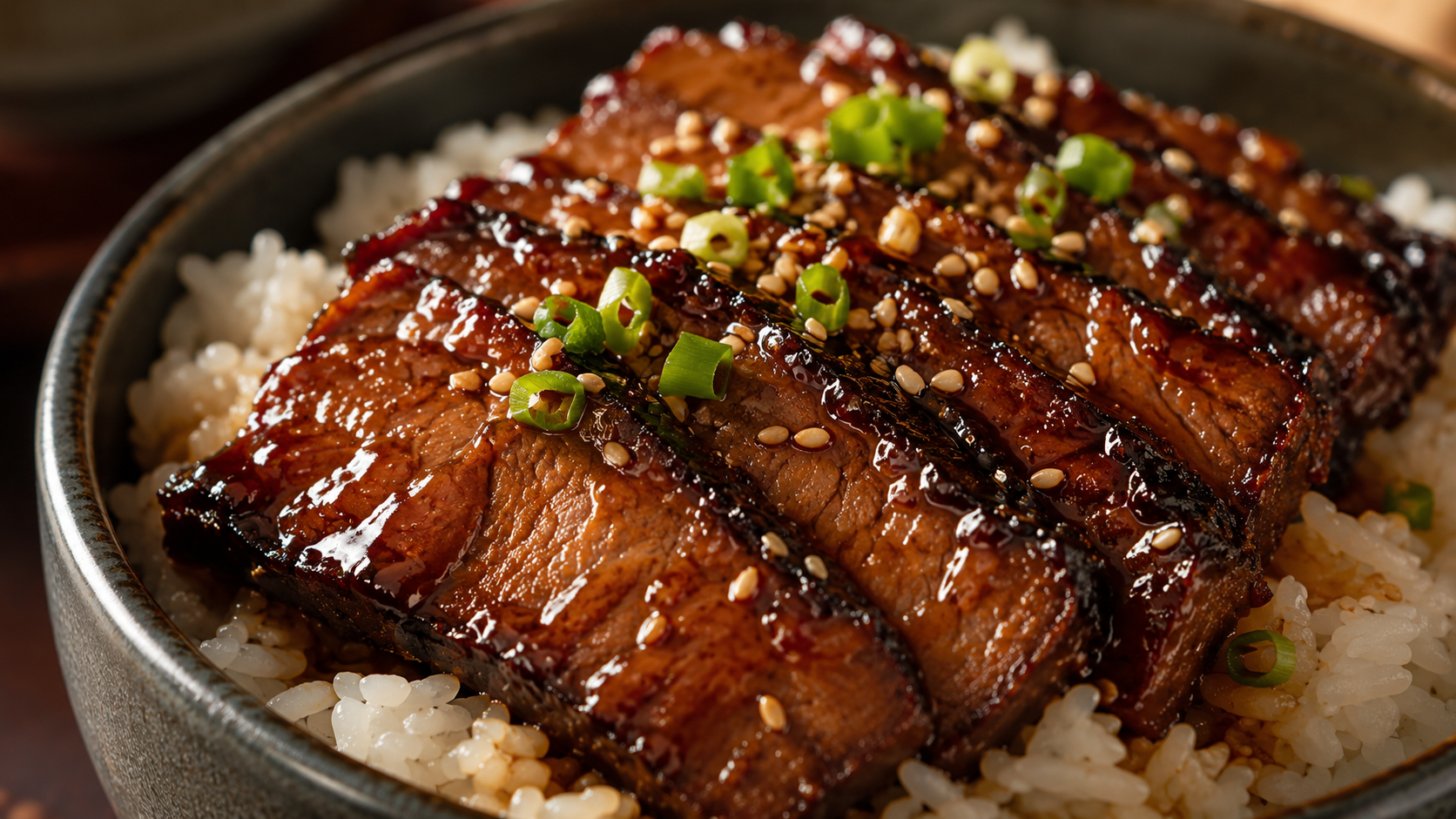
Beef and Vegetable Stir-Fry with Garlic Sauce

Healthy Fact of the Day

This stir-fry is a nutritious and balanced meal, featuring lean protein from the beef, a variety of vegetables loaded with vitamins and fiber, and a flavorful garlic sauce made with minimal added sugar.

Ingredients


  • 1 lb beef sirloin, thinly sliced
  • 2 tablespoons vegetable oil, divided
  • 1 cup broccoli florets
  • 1 cup sliced carrots
  • 1 red bell pepper, sliced
  • 1 cup sliced mushrooms
  • 3 cloves garlic, minced
  • 1/4 cup low-sodium soy sauce
  • 2 tablespoons rice vinegar
  • 1 tablespoon brown sugar
  • 1 teaspoon sesame oil
  • 1 teaspoon cornstarch
  • 2 green onions, sliced (optional garnish)


Instructions


  1. In a small bowl, whisk together the soy sauce, rice vinegar, brown sugar, sesame oil, and cornstarch until well combined. Set aside.

  2. Heat 1 tablespoon of vegetable oil in a large skillet or wok over high heat.

  3. Add the sliced beef and stir-fry for 2-3 minutes, or until browned but not fully cooked through. Transfer the beef to a plate and set aside.

  4. Add the remaining 1 tablespoon of vegetable oil to the skillet or wok.

  5. Add the broccoli, carrots, bell pepper, and mushrooms. Stir-fry for 3-4 minutes, or until the vegetables are tender-crisp.

  6. Add the minced garlic and stir-fry for 30 seconds, or until fragrant.

  7. Return the beef and any accumulated juices to the skillet or wok.

  8. Whisk the sauce mixture once more and pour it into the skillet or wok.

  9. Toss everything together and continue cooking for 1-2 minutes, or until the sauce has thickened and the beef is cooked through.

  10. Garnish with sliced green onions, if desired.

  11. Serve the beef and vegetable stir-fry hot over steamed rice or noodles.

Enjoy this quick and easy beef and vegetable stir-fry with garlic sauce for a delicious and healthy dinner option!
Recent Recipes

Cinnamon Roll Skillet Bread

  • July 18, 2026
  • 12 min read

The Instant Pot Meals Worth Actually Making

  • July 18, 2026
  • 4 min read

The Cook Who Changed Everything: Julia Child

  • July 18, 2026
  • 10 min read

Garlic Butter Sausage Bites with Cream Parmesan

  • July 18, 2026
  • 6 min read

Starbucks Holiday Creamers Are Already Showing Up

  • July 17, 2026
  • 3 min read

The Salt of the Earth: A Deep

  • July 17, 2026
  • 11 min read

Grilled Pesto Turkey Burgers

  • July 17, 2026
  • 4 min read

Campbell’s Just Did Something It Hasn’t Done

  • July 16, 2026
  • 3 min read

Grapefruit Margarita

  • July 16, 2026
  • 11 min read

The Forgotten Virtue of Eating Slowly

  • July 16, 2026
  • 11 min read

Tip of the Day

“Always let your meat rest before slicing.”

Whether you're roasting a chicken, grilling steak, or baking pork tenderloin, letting cooked meat rest for 5–10 minutes before slicing allows the juices to redistribute evenly. This simple step keeps your meat juicy and tender, ensuring every bite is flavorful and moist. Bonus: It gives you a moment to plate your sides or garnish for a perfect presentation!

Our Latest Recipes

Breakfast
Aurora Wright

Cinnamon Roll Skillet Bread

Cinnamon contains cinnamaldehyde, a natural compound with antioxidant and anti-inflammatory properties that may help support healthy blood sugar levels—making this indulgent skillet bread a slightly smarter sweet treat.

Read More »
Blog
Daily Disher

The Instant Pot Meals Worth Actually Making (And the Trick That Makes Them Work)

Pressure cooking is one of the better methods for retaining nutrients in food — the shorter cook time means less exposure to heat, which preserves more vitamins and minerals than long stovetop or oven methods. It’s also one of the most efficient ways to cook dried beans from scratch, which are significantly lower in sodium than canned and higher in fiber per serving. If you haven’t tried cooking dried chickpeas or black beans in the Instant Pot, it’s worth the experiment — no soaking required and done in about 40 minutes.

Read More »
Blog
Daily Disher

The Cook Who Changed Everything: Julia Child and the Democratization of French Cooking

Julia Child’s approach to cooking — using real butter, real cream, real ingredients in appropriate quantities rather than the low-fat substitutes that became fashionable in the decades after her peak influence — has been increasingly vindicated by nutritional research that has revised the understanding of dietary fat developed in the 1970s and 1980s. The full-fat dairy and the moderate use of butter and olive oil that characterize classical French cooking, which Child championed, align closely with the Mediterranean dietary pattern now recognized as one of the most health-supportive available. Child herself, who ate with genuine pleasure and without dietary anxiety throughout her life, lived to ninety-one — a biographical data point that she would have appreciated being noted.

Read More »

Get your daily dose of delicious!

Skip to content