Daily Dish

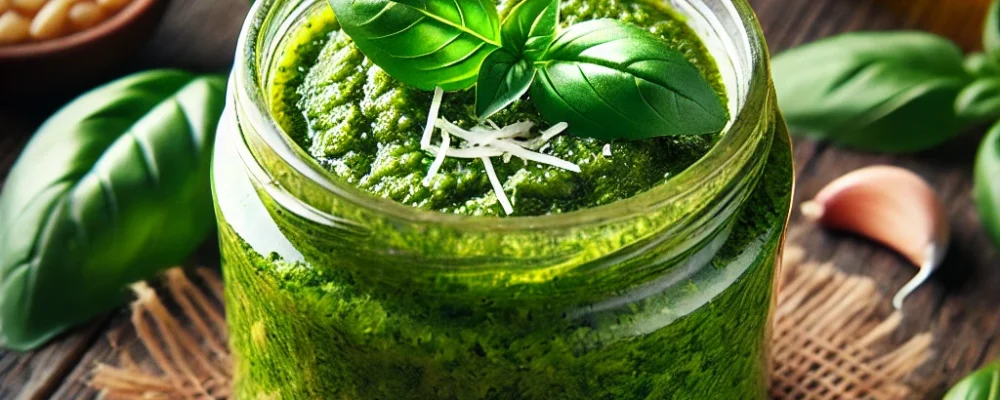
Vibrant Basil Pesto

Healthy Fact of the Day

Basil, the star ingredient in pesto, is rich in vitamin K, which is essential for blood clotting and bone health. It also contains antioxidants that may have anti-inflammatory properties. The olive oil in pesto provides heart-healthy monounsaturated fats, while pine nuts offer protein and additional beneficial fats. When consumed in moderation, pesto can be a flavorful and nutritious addition to various dishes.

Ingredients


  • 2 cups fresh basil leaves, packed
  • 1/2 cup freshly grated
  • Parmesan cheese
  • 1/2 cup extra virgin olive oil
  • 1/3 cup pine nuts
  • 3 garlic cloves, minced
  • 1/4 tsp salt
  • 1/8 tsp freshly ground black pepper
  • 1 tbsp lemon juice (optional)

Instructions

  1. Toast pine nuts in a dry skillet over medium heat until lightly golden, stirring frequently. Let cool.

  2. In a food processor, combine basil leaves and cooled pine nuts. Pulse until coarsely chopped.

  3. Add garlic and Parmesan cheese. Pulse a few more times.

  4. With the processor running, slowly pour in the olive oil in a steady stream.

  5. Stop to scrape down the sides of the processor with a rubber spatula.

  6. Add salt and pepper. Pulse again until combined.

  7. Taste and adjust seasoning if needed. Add lemon juice if desired for extra brightness.

  8. Use immediately or store in an airtight container in the refrigerator.

Spread this aromatic basil pesto on your favorite pasta, sandwich, or use it as a dip, and let its vibrant flavors transport you to the sun-drenched hills of Liguria. With its perfect balance of fresh basil, nutty Parmesan, and rich olive oil, this isn’t just a sauce – it’s a versatile culinary gem that can elevate any dish from ordinary to extraordinary. Whether you’re a seasoned chef or a kitchen novice, this classic pesto recipe is sure to become a staple in your culinary repertoire!
Recent Recipes

Why Restaurant Fried Rice Tastes Better Than

  • March 14, 2026
  • 10 min read

French Dip Tortilla Roll Ups

  • March 14, 2026
  • 7 min read

The Bread Baking Mistake That Kills Your

  • March 13, 2026
  • 10 min read

Pizza Pot Pie

  • March 13, 2026
  • 7 min read

Wendy’s Is Giving Away Free Fries This

  • March 12, 2026
  • 3 min read

Irish Mule

  • March 12, 2026
  • 11 min read

Why Your Soup Never Tastes as Good

  • March 12, 2026
  • 9 min read

Monterey Chicken Spaghetti

  • March 12, 2026
  • 8 min read

Filet Mignon with Shrimp and Lobster Cream

  • March 11, 2026
  • 11 min read

The Reason Your Guacamole Turns Brown in

  • March 11, 2026
  • 9 min read

Tip of the Day

“Always let your meat rest before slicing.”

Whether you're roasting a chicken, grilling steak, or baking pork tenderloin, letting cooked meat rest for 5–10 minutes before slicing allows the juices to redistribute evenly. This simple step keeps your meat juicy and tender, ensuring every bite is flavorful and moist. Bonus: It gives you a moment to plate your sides or garnish for a perfect presentation!

Our Latest Recipes

Blog
Daily Disher

Why Restaurant Fried Rice Tastes Better Than Yours

Using day-old rice for fried rice creates resistant starch—a type of carbohydrate that acts more like fiber than regular starch, feeding beneficial gut bacteria and producing a lower glycemic response than fresh rice, and cooking at high heat with minimal oil and plenty of vegetables creates a more nutrient-dense meal than ordering takeout versions often loaded with excess oil.

Read More »
Appetizers
Daily Disher

French Dip Tortilla Roll Ups

Roast beef provides high-quality protein, iron, and B vitamins that support energy and metabolism. Using whole wheat tortillas increases fiber content, while provolone offers calcium for bone health. The au jus is naturally low in calories when made from beef broth, making this a relatively balanced indulgence when paired with vegetable sides.

Read More »
Blog
Daily Disher

The Bread Baking Mistake That Kills Your Rise

Properly risen bread has better texture and digestibility than dense, underproofed bread, and longer fermentation times—when yeast is working optimally—break down more gluten and complex carbohydrates, creating bread that’s easier to digest while developing beneficial organic acids and enhanced mineral bioavailability.

Read More »

Get your daily dose of delicious!

Skip to content