Daily Dish

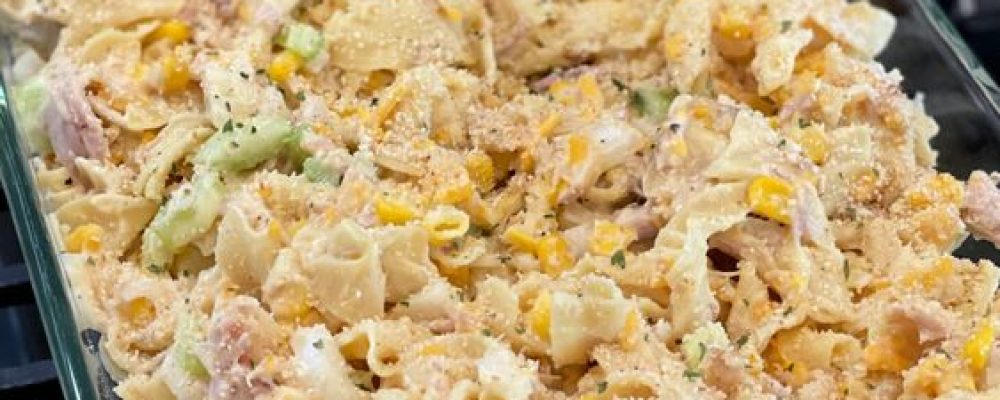
Tuna Noodle Casserole

Healthy Fact of the Day

Tuna noodle casserole, when prepared with whole-grain pasta and a balance of ingredients, can be a nutritious and comforting dish.

Ingredients


  • 18 oz whole-grain egg noodles
  • 2 cans (5 oz each) canned tuna, drained
  • 1 cup frozen peas
  • 1/2 cup diced celery
  • 1/4 cup diced onion
  • 1/4 cup diced red bell pepper
  • 1/4 cup diced green bell pepper
  • 1 cup low-fat or Greek yogurt
  • 1/2 cup low-sodium chicken broth
  • 1/4 cup grated Parmesan cheese
  • 1/2 teaspoon dried thyme
  • Salt and black pepper to taste
  • 1/4 cup breadcrumbs
  • 2 tablespoons melted butter


Instructions


  1. Preheat your oven to 350°F (175°C).
  2. Cook the whole-grain egg noodles according to the package instructions until they are al dente. Drain and set aside.
  3. In a large mixing bowl, combine the drained canned tuna, frozen peas, diced celery, diced onion, diced red bell pepper, and diced green bell pepper.
  4. In a separate bowl, whisk together the low-fat or Greek yogurt, low-sodium chicken broth, grated Parmesan cheese, dried thyme, salt, and black pepper.
  5. Add the cooked whole-grain egg noodles to the tuna and vegetable mixture, and then pour the yogurt and broth mixture over it. Toss everything to combine.
  6. In a small bowl, mix the breadcrumbs with the melted butter.
  7. Transfer the tuna noodle mixture to a greased baking dish. Sprinkle the breadcrumb mixture evenly over the top.
  8. Bake in the preheated oven for about 20-25 minutes, or until the casserole is bubbling and the breadcrumb topping is golden brown.
  9. Let the Tuna Noodle Casserole cool for a few minutes before serving.
  10. Serve warm, for a wholesome and comforting meal.


This Tuna Noodle Casserole is a nutritious and satisfying dish that’s perfect for a cozy dinner. Enjoy the combination of tuna, whole-grain noodles, and vegetables!


Recent Recipes

Sam’s Club Just Added a New Fall

  • August 19, 2026
  • 2 min read

Skillet Chicken with Mushroom Wine Sauce

  • August 19, 2026
  • 12 min read

The Stone Fruit Reckoning: What to Do

  • August 19, 2026
  • 11 min read

Grilled Peaches with Cinnamon and Brown Sugar

  • August 19, 2026
  • 6 min read

National Fajita Day Is Here — Here’s

  • August 18, 2026
  • 2 min read

The Fermentation Project: What Happens When You

  • August 18, 2026
  • 11 min read

Sweet Chili Shrimp

  • August 18, 2026
  • 7 min read

Hot Chicken and Pancake Tacos

  • August 18, 2026
  • 11 min read

Hershey’s Cookies ‘N’ Creme Fangs Are Back

  • August 17, 2026
  • 2 min read

Baked Dill Pickle Pretzels

  • August 17, 2026
  • 13 min read

Tip of the Day

“Always let your meat rest before slicing.”

Whether you're roasting a chicken, grilling steak, or baking pork tenderloin, letting cooked meat rest for 5–10 minutes before slicing allows the juices to redistribute evenly. This simple step keeps your meat juicy and tender, ensuring every bite is flavorful and moist. Bonus: It gives you a moment to plate your sides or garnish for a perfect presentation!

Our Latest Recipes

Blog
Daily Disher

Sam’s Club Just Added a New Fall Comfort Meal That’s Already Getting Rave Reviews

Prepared meals like pot roast can be higher in sodium than a homemade version, especially once gravy is factored in. To lighten things up, pair the tray with a simple side salad or steamed green vegetable to add fiber and volume without extra sodium. If the gravy tastes salty on its own, using less of it and letting the beef and vegetables carry more of the flavor is an easy way to cut back without sacrificing the comfort-food feel.

Read More »
Chicken Recipes
Benjamin Brown

Skillet Chicken with Mushroom Wine Sauce

Mushrooms are one of the only plant sources of vitamin D and provide significant selenium and B vitamins—use skinless chicken breasts and reduce butter by half for a lighter version that maintains the sauce’s rich, satisfying character.

Read More »
Blog
Daily Disher

The Stone Fruit Reckoning: What to Do With Too Many Peaches

Peaches and other stone fruits are significant dietary sources of several important nutrients that peak-season specimens provide in higher concentrations than their out-of-season counterparts. Peak-season peaches contain measurably higher levels of vitamin C, beta-carotene, and the flavonoid chlorogenic acid — a potent antioxidant associated with reduced inflammation and improved cardiovascular markers — than early-season or commercially ripened alternatives. The carotenoids that give ripe peaches their deep orange-gold color are fat-soluble, meaning that serving peaches with dairy fat — the cream, the yogurt, the butter used in a skillet preparation — significantly increases the absorption of these compounds compared to eating the fruit alone.

Read More »

Get your daily dose of delicious!

Skip to content












