
You’ve done everything right.
Bought good meat. Seasoned it properly. Cooked it to the perfect temperature. The sear looks beautiful. The kitchen smells incredible.
Then you slice into it immediately and watch all the juices run out onto the cutting board.
The meat looks dry on the plate. It tastes less flavorful than it should. And you can’t figure out what went wrong.
The answer is simple: you didn’t wait.
What Happens Inside Meat When It Cooks
Cooking meat is essentially controlled damage.
Heat causes muscle fibers to contract and tighten. As they do, they squeeze out moisture—the same way wringing a towel pushes out water.
When meat comes off the heat, those fibers are still tight. The moisture that got squeezed out is pooled in the center, under pressure, looking for somewhere to go.
Cut into the meat at this moment and all that liquid floods out. It ends up on your cutting board instead of in your mouth.
But if you wait—if you let the meat rest—something different happens.
The Fibers Relax
As meat cools slightly, those contracted muscle fibers begin to relax.
The moisture that was pushed to the center starts redistributing throughout the meat. The pressure equalizes.
By the time you cut into it, the juices are back where they belong—absorbed into the fibers, not pooling in the middle waiting to escape.
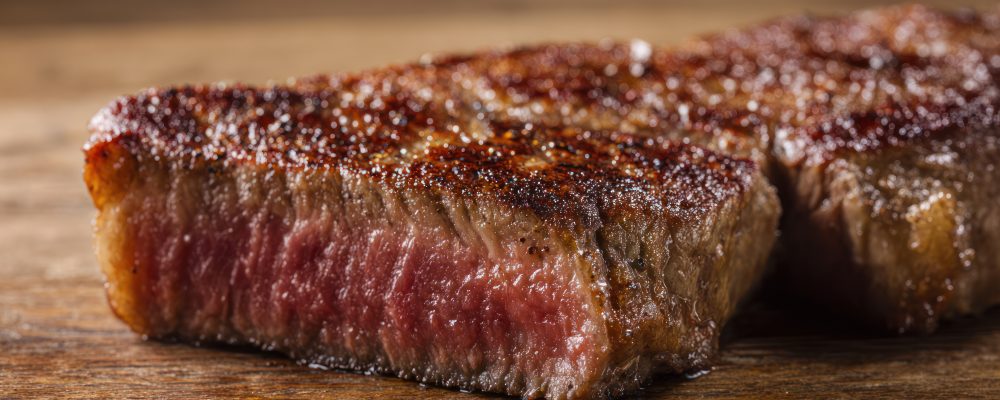
This isn’t speculation. It’s observable. Cut a steak immediately after cooking and then cut one after resting. The difference is dramatic.
How Long Depends on Size
A thin chicken breast might only need five minutes.
A thick steak needs ten to fifteen.
A whole roast could need thirty minutes or more—sometimes up to an hour for something like a prime rib.
The guideline chefs follow: rest meat for about half as long as you cooked it, with a minimum of five minutes for anything substantial.
During service, when timing is critical, they build this rest time into their workflow. The steak comes off the grill and sits on a warm plate while the sides get plated and the sauce gets finished.
By the time the dish goes out, the meat has rested—but the guest doesn’t know that. They just know it tastes better.
The Temperature Keeps Rising
Here’s something that surprises most home cooks: meat continues cooking after you take it off the heat.
This is called carryover cooking, and it can raise the internal temperature by five to ten degrees.
That’s why chefs pull meat off earlier than you’d expect. A steak meant to be medium-rare comes off the heat at 125°F, not 135°F. By the time it’s done resting, it’s exactly where it should be.
Skip the rest and you miss your target. The meat keeps cooking on the plate, going from perfect to overdone while you eat.
Tenting with Foil Is Optional
Some people insist on tenting meat loosely with foil while it rests.
This keeps it warm and prevents too much heat loss. It’s useful for large roasts that need long rests.
But for smaller cuts—steaks, chops, chicken breasts—it’s often unnecessary. They retain enough heat on their own for a short rest.
In fact, tenting can sometimes work against you. If you’re trying to keep a crust crispy—like on a pan-seared duck breast—trapped steam from tenting will soften it.
Chefs make this call based on what they’re cooking and how they want the final texture to be.
Restaurants Have Warming Drawers
One advantage professional kitchens have: dedicated warming areas where meat can rest at a controlled temperature.
This lets them rest meat properly without it getting cold—a balance home cooks have to manage more carefully.
But even without specialized equipment, resting still improves the final result. A slightly cooler piece of properly rested meat tastes better than a piping hot piece that’s lost all its juices.
It’s Not Just Red Meat
This applies to all meat.
Chicken. Pork. Duck. Turkey. Even fish benefits from a brief rest, though the time needed is much shorter.
Anything where moisture retention matters—which is basically everything—gets better when you give it a moment to stabilize before cutting.
The Mistake of the Immediate Slice
There’s something instinctive about wanting to cut into meat right away.
You’re hungry. It looks done. You want to check if it’s cooked properly.
But that immediate slice is the single biggest reason home-cooked meat doesn’t taste as good as restaurant meat.
Chefs have internalized the discipline of waiting. They know the payoff is worth the patience.
Home cooks often haven’t developed that habit yet—but once they do, the improvement is immediate and obvious.
Resting Doesn’t Mean Cold
One of the biggest objections to resting is that people worry the meat will get cold.
It doesn’t. Not in the time required.
A steak resting for ten minutes will still be warm—well above room temperature—when you cut into it.
And even if it does cool slightly, the tradeoff is worth it. Warm, dry, flavorless meat is worse than slightly cooler, juicy, flavorful meat.
Restaurants prove this every night. The steaks they serve have been rested, and nobody complains about temperature.
Where People Go Wrong
The most common mistake isn’t skipping the rest entirely. It’s resting for thirty seconds and calling it good.
That’s not long enough for anything to happen. The fibers haven’t relaxed. The juices haven’t redistributed.
You need actual time. Enough that it feels slightly uncomfortable. Enough that you’re tempted to cut in early but resist.
That restraint is what separates okay meat from great meat.
Trust the Process
Resting meat requires faith in something you can’t see happening.
You can’t watch the fibers relax. You can’t see the moisture redistributing. You just have to trust that the science works.
But the proof comes when you cut into it. When the juices stay in the meat instead of flooding the plate. When each bite is as moist and flavorful as the last.
That’s when you stop questioning whether resting is worth it.
What You Can Do Next Time
Pull your meat off the heat five degrees before your target temperature.
Put it on a plate or cutting board. Set a timer for at least ten minutes—longer for larger cuts.
Walk away. Prep your sides. Set the table. Do anything except cut into that meat.
When the timer goes off, slice and serve.
Then notice the difference.
The Takeaway
Resting meat isn’t a nice-to-have step. It’s essential.
It’s the difference between juices on the plate and juices in the meat. Between good and exceptional.
Professional kitchens build it into every dish they serve. Home cooks often skip it entirely, then wonder why their results don’t measure up.
But now you know.
The hardest part of resting meat isn’t the technique. It’s the waiting.
And that’s completely free.